Rechercher dans ce blog

Monday, July 25, 2022

Local Heritage Assistance Grants 2022 - Clarence Valley Council

Local heritage grants are to assist owners and community trustees in the maintenance, conservation and interpretation of heritage items and places of heritage significance in Heritage Conservation Areas identified in Clarence Valley Local Environmental Plan 2011. A variety of projects have been assisted over previous years such as the replacement of fences at the Georgian and Victorian Cottage pictured below. 

Funding available

In order to share funding as widely as possible, grants will generally be offered up to a maximum of $2,000, on a dollar for dollar basis. A minimum of 50% co-contribution is required from the owner. Only one application may be lodged per property.

Larger grants or grants at different ratios may be considered for major restoration projects or for non-profit community organisations if funds permit, depending on the number of eligible applications and the budget allowance for the year. 

Opening and closing dates

Applications open on Council’s website on 25 July 2022 and close at midnight on Sunday 21 August 2022. No late applications will be accepted.

Who can apply for local heritage grants?

This year the priority is to assist owners with the conservation, repair and maintenance of heritage items in Grafton and South Grafton.

Applications from contributory properties in Heritage Conservation Areas in this priority area will also be considered.

Applications outside of the priority area will only be considered if there are any remaining funds after the allocation of grants in the priority area other than to avert the serious deterioration of a heritage item.

You cannot apply for funding if you are a government agency, however a community-based trust, such as showground or community hall committee may apply. 

2022 Funding Priorities

Priority Applications

  • Works to heritage items in the Grafton and South Grafton that have not received any previous heritage funding in the last five years.
  • Urgent maintenance works to avert the severe deterioration of a heritage item in any area.  

Priority Criteria

  • Works to heritage items to address deterioration, stabilisation, stormwater and termite control, e.g. re-roofing, joinery repairs, stormwater management
  • Conservation, reconstruction and repairs to a contributory properties within Grafton and South Grafton Heritage Conservation Areas.
  • Fire, service and access essential upgrades for compliance with the Building Code of Australia for ongoing or adaptive reuse of heritage items.

Projects typically funded by local heritage grants.

  • emergency repairs, stabilisation and making buildings watertight pending longer term restoration
  • termite control, site stabilisation, stormwater and subsoil drainage  
  • re-roofing and guttering in authentic materials and profiles
  • protection of archaeological sites including protection of cemetery sites
  • reinstatement of missing elements to original details, such as fences, verandahs, timber windows, decorative features
  • removal of unsympathetic additions and restoration to original details
  • repainting in a traditional heritage colour scheme
  • Building Code Australia upgrades (fire, services, and access) for ongoing and new uses 

What projects cannot be funded by local heritage grants?

  • works which have already been carried out
  • new buildings or new work
  • interior alterations, new kitchens and bathrooms
  • routine maintenance such as lawn mowing or gutter cleaning
  • ·new commemorative monuments or works
  • the purchase of heritage buildings
  • the relocation of buildings or works to relocate buildings
  • private headstones, unless there is no possibility of descendent support
  • floodlighting of heritage buildings
  • the purchase of equipment
  • moveable railway heritage items
  • projects where adequate funding is available from other sources, or where the applicant has previously not completed other assisted projects or previous grant offers

Common selection criteria

Funding is targeted to projects:

  • with sustainable long-term heritage benefits
  • that provide public benefit and enjoyment
  • where the applicant has the capacity and commitment to undertake the project
  • that show innovation and leadership
  • that demonstrate funding equity and cost effectiveness

Applying for funding

As part of your application you need to

  • include ‘before the project’ photographs  
  • include some background research on your heritage item and include historical information and any old photographs, where available, in your application. Heritage datasheets are available for most heritage items at: https://www.heritage.nsw.gov.au/search-for-heritage/state-heritage-inventory/
  • obtain a minimum of one quote but preferably two. (It is realised that quotations are often difficult to obtain, and a minimum of one quote will be accepted )
  • include plans and sketches if relevant  

Submitting your application

To apply, you must complete the application form.

The closing date is midnight on 21 August 2022. If you need assistance in completing the form or uploading the information you can speak to Deborah Wray on 02 6643 0271 during office hours on Monday, Wednesday and Thursday.

Processing your project application

Projects will be assessed by Council with regard to the priorities and criteria set out in these guidelines.

A funding offer and standard conditions will be sent to successful applicants by the end of October 2022. Any unsuccessful applicants will also be advised at this time.

Upon acceptance of a grant offer and any necessary approvals, work should commence. It is essential that approved projects are completed and claims for payment lodged by 1 March 2023. 


For further assistance please contact Deborah Wray on 02 6643 0271 during office hours on Monday, Wednesday and Thursdays.

Adblock test (Why?)


Local Heritage Assistance Grants 2022 - Clarence Valley Council
Read More

USDA Awards over $70 Million in Grants, Increases Access to Local, Healthy Foods for Kids - USDA.gov

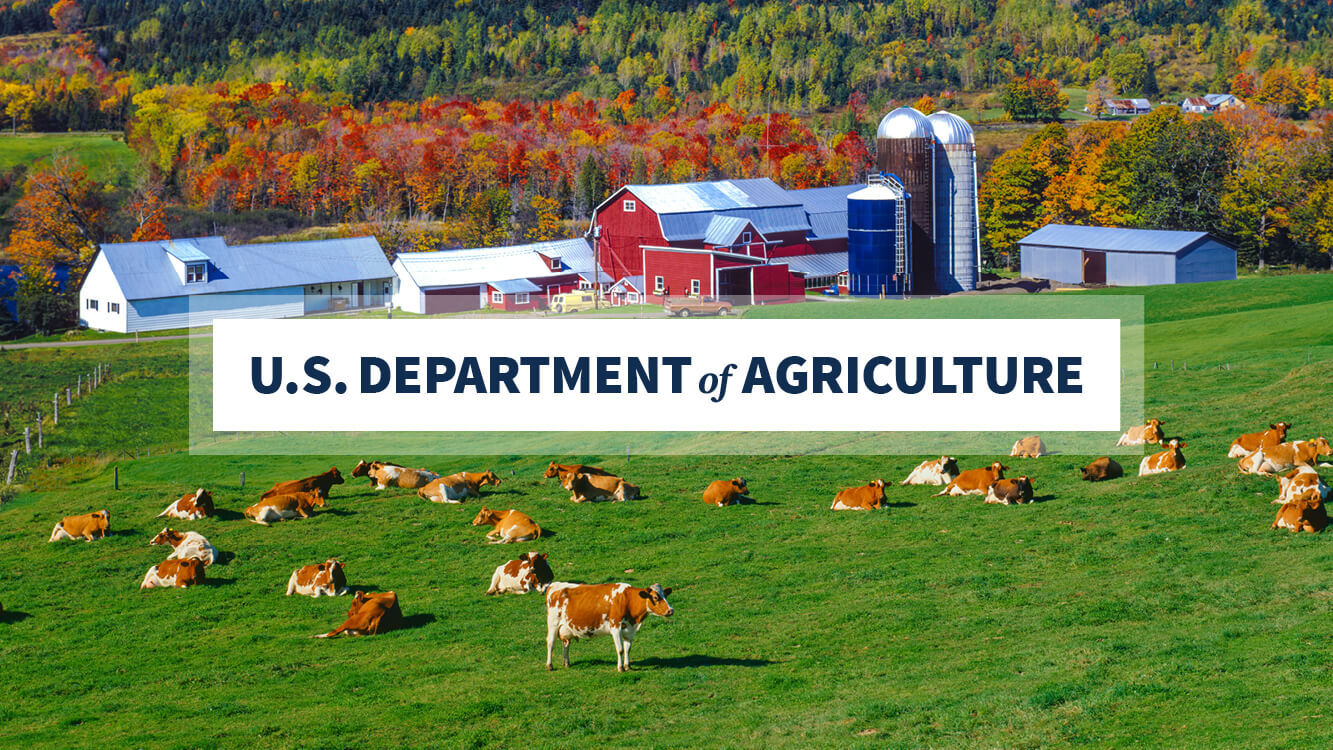
Washington, D.C., July 25, 2022 – The U.S. Department of Agriculture (USDA) today announced it is awarding more than $10 million in Farm to School Grants to 123 projects across the country. Additionally, for the first time, the department is empowering states with $60 million in non-competitive grants to develop stronger and sustainable Farm to School programs over the next four years. Both actions will help more kids nationwide eat healthy, homegrown foods.

Farm to School increases the amount of locally produced foods served through child nutrition programs, while also educating children about how their foods are harvested and made. Various child nutrition operators can participate in farm to school, from states and tribal nations to schools and community organizations.

“The expansion of Farm to School is more important than ever for our kids,” said Agriculture Secretary Tom Vilsack. “When schools and local producers work together, children benefit from higher-quality foods on their plates and program operators have stable sources for the products they need.” Vilsack added farm to school is an investment in the next generation and one of many ways the department is advancing nutrition security – the consistent, equitable access to healthy and affordable foods that promote well-being.

The 123 projects funded by the fiscal year 2022 competitive grants will serve more than 3 million children at more than 5,000 schools in 44 states and the District of Columbia. Further, USDA acknowledges that many people have been historically underserved and marginalized through unfair food systems. The projects selected by the department reflect its commitment to transforming food systems to be more equitable through Farm to School:

  • An estimated 62% of students served by these projects are eligible for free and reduced-priced school meals.
  • 40% of projects serve rural areas or economically disadvantaged areas.
  • Nearly 30% of organizations are led by Black, Indigenous, and People of Color, with projects serving those same communities.
  • Seven projects are tribal nations serving Native American communities.

Since the USDA Farm to School Program’s inception in 2013, the department has awarded nearly $75 million in Farm to School Grants, funding more than 1,000 projects across all 50 states, the District of Columbia, U.S. Virgin Islands, Guam, and Puerto Rico. These projects have reached over 25 million students in nearly 60,000 schools. For more information on how your community can get involved with Farm to School activities, please visit the FNS website.

Additionally, as announced last month, the department’s $60 million non-competitive grants for states will allow them to better assist program operators in purchasing and using more local foods in meals for kids between Fiscal Years 2023-2026. The resources will also expand agricultural education for children. More information about the distribution of funds is coming soon.

“States and school districts with strong Farm to School programs have been more resilient in the face of recent supply chain disruptions, compared to operators lacking relationships with local producers,” said Stacy Dean, deputy under secretary for Food, Nutrition, and Consumer Services. “The Farm to School program deserves to be at the forefront of long-term solutions that operators can lean on to ensure nutritious, local products are always within reach.”

When schools source foods locally, it supports American farmers and strengthens the economy. USDA surveyed school food authorities nationwide in the 2019 Farm to School Census. According to the findings, in school year 2018-2019, school districts purchased nearly $1.3 billion in local fruits, vegetables, and other foods, totaling approximately 20% of all school food purchases.

USDA touches the lives of all Americans each day in so many positive ways. In the Biden-Harris Administration, USDA is transforming America’s food system with a greater focus on more resilient local and regional food production, ensuring access to healthy and nutritious food in all communities, building new markets and streams of income for farmers and producers using climate smart food and forestry practices, making historic investments in infrastructure and clean energy capabilities in rural America, and committing to equity across the Department by removing systemic barriers and building a workforce more representative of America. To learn more, visit www.usda.gov.

#

USDA is an equal opportunity provider, employer, and lender.

Adblock test (Why?)


USDA Awards over $70 Million in Grants, Increases Access to Local, Healthy Foods for Kids - USDA.gov
Read More

Sunday, July 24, 2022

Tours and Tastings celebrates local products – Bundaberg Now - Bundaberg Now

Tours and Tastings
Bundaberg Brewed Drink’s Tammie Hall is excited to welcome the community to the Taste Festival Bundaberg's Tours and Tastings.

Pick your own strawberries, blend your own rum or select your favourite brew during this year’s Taste Bundaberg Festival Tours and Tastings.

Tours and Tastings will immerse community members in experiences of learning about, and devouring, some of the Bundaberg Region’s delectable products.

Friends and families will have the opportunity to see first-hand where the three different varieties of strawberries are grown at Bargara Berries or take a journey deep into the beating heart of Australia’s most awarded rum distillery at Bundaberg Rum.

There’s also a chance to stroll through the history of Bundaberg’s favourite nut at Macadamias Australia and learn about the multi-generational family farm that cracked its way from humble beginnings to now maintaining more than 200,000 trees.

Or perhaps taste the full range of brews at the Bundaberg Barrel and delve into the history of the iconic brand that is Bundaberg Ginger Beer.

Bundaberg Brewed Drink’s Tammie Hall said upon arrival guests would have the opportunity to browse the gallery before testing the local brews.

“Our Brew O’clock session is to offer guests the chance to taste the full range of Bundaberg Brews, from our iconic Ginger Beer right through to our seasonal Christmas Brew,” Tammie said.

“In addition to our tasting, ticket holders will have the opportunity to browse through our Bundaberg gallery and delve into the history of our iconic Australian brand, our craft brewing processes and everything in between.

“Everyone who takes part in one of our Brew o’clock sessions will receive a personalised bottle of Ginger Beer, which will have their face on the label, a mixed six pack filled with brews of their choice and a Bundaberg Brewed Drinks copper mug.”

Tammie said Bundaberg Brewed Drinks had 13 traditional brews, three diet brews and during Christmas they released the annual Spiced Ginger Beer.

“Ginger beer is always a common favourite!

“But lately, our pink grapefruit and passionfruit are becoming real hits with our guests,” she said.

“Our tour is one for the whole family. Our Bundaberg Barrel has something for everyone.’”

Council's Arts, Culture and Events portfolio spokesperson Cr John Learmonth said any one of the six Tours and Tastings would immerse the community’s senses in rich local produce and products.

“Community members will have a chance to not only see behind the scenes but also taste the experience of some of the region’s delicious food and drinks,” he said.

“We live in an abundant region of beautiful fresh produce and through Tours and Tastings the community can see firsthand how this is made possible.”

The 10-day Taste Bundaberg Festival will be held across the region from 5 August to 14 August. Bookings are required for Tours and Tastings.

To find out more click here.

Adblock test (Why?)


Tours and Tastings celebrates local products – Bundaberg Now - Bundaberg Now
Read More

Saturday, July 23, 2022

Splendour artists perform at local pubs and hotels - ABC News

This service may include material from Agence France-Presse (AFP), APTN, Reuters, AAP, CNN and the BBC World Service which is copyright and cannot be reproduced.

AEST = Australian Eastern Standard Time which is 10 hours ahead of GMT (Greenwich Mean Time)

Adblock test (Why?)


Splendour artists perform at local pubs and hotels - ABC News
Read More

Winter deluge cancels local sport, climate change threatens to ruin it - Sydney Morning Herald

Wet weather has played havoc with winter sports competitions, with clubs forced to cancel training and games because local councils have closed waterlogged ovals.

But kids are also missing out on games because of a lack of sports grounds and facilities that are ill-equipped to deal with extreme weather.

Easts Junior Beasties RUFC players Charlie Hourigan, Remy Scott, Felix Connor and Ceilim O’Kelly at training in Rose Bay.

Easts Junior Beasties RUFC players Charlie Hourigan, Remy Scott, Felix Connor and Ceilim O’Kelly at training in Rose Bay.Credit:Janie Barrett

Sport NSW chairwoman Carolyn Campbell said rain and floods in NSW had been devastating for sports already dealing with the existing pressure on facilities.

“The sector knows the impact of climate change and associated weather extremes is a major threat to sports participation and the quality and maintenance of infrastructure needed to support future growth,” she said.

Campbell said sporting organisations wanted to work with governments to build sporting facilities that will withstand future weather events.

“Clearly, the outdoor field sports have been most affected by the weather, but right now, pretty much all our members are telling us the biggest hurdle they face is finding places to play,” she said. “Many sports are telling us they’re restricted from growing, often turning away potential participants, because of a lack of facilities – and that is a sad state of affairs.”

Roselea Football Club has been forced to cancel many training sessions and weekend games this year because of waterlogged sports grounds.

Roselea Football Club has been forced to cancel many training sessions and weekend games this year because of waterlogged sports grounds.Credit:Wolter Peeters

Roselea Football Club has not been able to use three ovals in Carlingford since March, forcing the club to train its 60 junior and adult teams on just two fields instead of five.

When the fields are open, the uneven playing surface is “detrimental to competitive play”, the club’s director of development Rohan Primrose said.

Under-12 footballers Samaira Bagga, Charlotte Keller and Casey Ahn.

Under-12 footballers Samaira Bagga, Charlotte Keller and Casey Ahn.Credit:Wolter Peeters

“They have patchy grass and dusty hollows in the dry which become boggy in the wet,” he said. “The fields have no drainage or irrigation leading them to be the first to close and the last to reopen during the mildest wet weather.”

Primrose said the state of the sporting fields had restricted the growth and training capacity of the football club: “Many training sessions and weekend games have been cancelled in the 2022 season due to the sodden fields at our grounds and across the association.”

A Football NSW spokesman said half of Sydney’s football fields did not have drainage, leaving turf ovals in “a moderate to poor state”.

“There are some fields in Sydney that haven’t been used for the winter season due to rain in March, let alone the torrential rain that we have experienced over the last few weeks,” he said.

Soccer clubs that use turf grounds had been forced to cancel training sessions over the past few weeks because of wet weather, he said. “Fields have been closed during the rain and then consequently closed days and weeks post the rain event.”

He said kids were missing out on participation due to the poor condition of sporting facilities: “Kids have had two seasons impacted by COVID-19 and now they have had a third season in a row where competition and training has been affected.”

Some areas of Sydney also lacked enough sporting ovals to cope with the number of people who wanted to play soccer, Football NSW’s spokesman said.

There is an average of one soccer pitch in NSW for every 166 players, but Hunters Hill Council has only one pitch every 518 players.

Soccer players in the Sutherland Shire (one pitch for every 293 players), northern beaches, Blue Mountains and Lane Cove also lack sporting fields.

A 2017 report commissioned by the Northern Sydney Regional Organisation of Councils found the north shore needed an additional 62 hectares of playing space – equivalent to 78 rectangular fields – by 2026 for sports such as soccer, football, cricket and hockey.

Other football codes have also been forced to cancel or postpone training or games.

A NSW Rugby spokesman said parts of Sydney with growing population have struggled to provide more open public space.

“As a result, there is a growing need for access to all-weather facilities such as purpose-built synthetic pitches and improved sharing of existing greenfield space,” he said.

He said NSW Rugby supported more all-weather sporting grounds as well as improved lighting to increase the number of hours facilities can be used.

Head of rugby at Easts Junior Beasties Matt Souter said the club was fortunate to share a synthetic rugby field that was unaffected by bad weather. However, two grass ovals at Eastern Suburbs Rugby Union Football Club in Rose Bay have been out of action for most of the year due to wet weather.

Souter said a number of home and away games had been cancelled because of unfit playing surfaces. “When it comes down to ground closures, all the kids miss out.”

But the use of fake grass in parks and open spaces is controversial, with grassroots community groups across Sydney fighting councils planning to install artificial turf.

But Football NSW’s spokesman said a disparity was beginning to creep into community sport because clubs with access to synthetic fields have been less affected by wet weather.

“Teams that train on natural turf fields have had training cancelled multiple times throughout the season,” he said.

“They are playing against teams that haven’t missed a training session. This puts the clubs using natural turf fields at a severe disadvantage no matter what level of competition they are participating at.”

The Morning Edition newsletter is our guide to the day’s most important and interesting stories, analysis and insights. Sign up here.

Most Viewed in National

Adblock test (Why?)


Winter deluge cancels local sport, climate change threatens to ruin it - Sydney Morning Herald
Read More

Funding for local animal rescue group - bay 93.9 Geelong - Bay 93.9

[unable to retrieve full-text content]

Funding for local animal rescue group - bay 93.9 Geelong  Bay 93.9
Funding for local animal rescue group - bay 93.9 Geelong - Bay 93.9
Read More

Friday, July 22, 2022

Businesses are encouraged to have their say in local Council Elections • Glam Adelaide - Glam Adelaide

The Electoral Commission of SA (ECSA) is encouraging businesses and sole traders to have their say in the Local Council Elections in November.

Local Council Elections are held every four years for the 67 councils across the state, with up to 1500 people nominating for the 224 council or mayoral positions across South Australia.

Many business owners may not realise they are eligible to vote in the Council Elections, but unlike individual voters in South Australia who, if they are on the electoral roll for the state election, automatically get a vote, businesses need to enrol by Friday, 29 July.

Pictured below is Judy Forbes from Once & Again Café who will be voting as a business owner in the Local Council Elections.

Photo: John Krüger

Electoral Commissioner Mick Sherry said they were calling on businesses to enrol to vote in the Local Council Elections. “Just like homeowners, businesses based in a local council are eligible to vote in the Local Council Elections,” he said.

“This is an opportunity for businesses to have a say on key Council-related areas, including rezoning, local traffic management, permits and fees, development and planning, parking and business development growth.

“If a business is in a different council area or ward to where the business owner lives, they may be eligible to vote in both the council area where they live and the council area where their business is based.

“South Australia is home to around 145,700 small businesses – so we encourage them to get online and register their business so they can vote and have their say in the 2022 Council Elections.”

Individuals who have moved to South Australia from overseas may also be eligible to vote in the Local Council Elections. This includes temporary, permanent, student and holiday visa holders but they must be a resident for more than one month to be eligible. They must also enrol to vote.

Enrolment forms can be found here along with further information and details. Simply complete your enrolment form and return it by post or email.

To vote in the Local Council Elections, businesses and individuals must complete and return their enrolment forms by Friday, 29 July.

Adblock test (Why?)


Businesses are encouraged to have their say in local Council Elections • Glam Adelaide - Glam Adelaide
Read More

Ti Tree Local Court list, Friday, January 26 - NT News

[unable to retrieve full-text content] Ti Tree Local Court list, Friday, January 26    NT News Ti Tree Local Court list, Friday, January 2...